Fair Exchange: How US Brands Are Building Ethical Bridges With International Street Artists
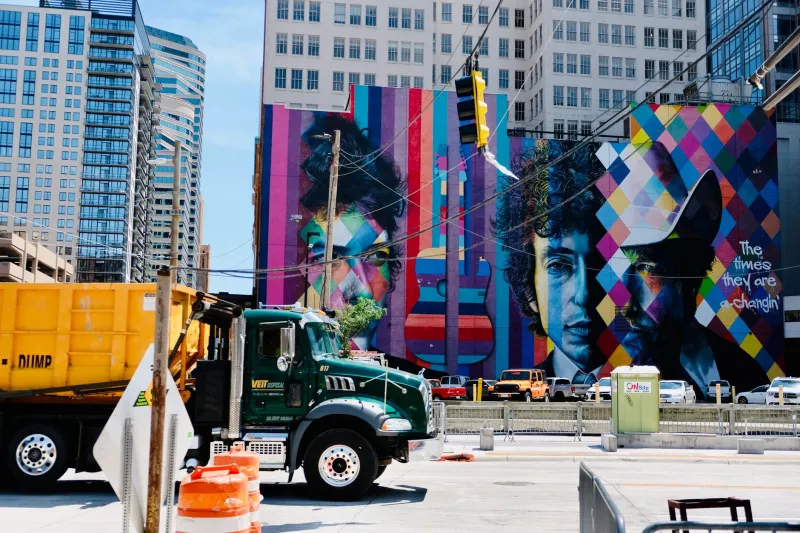
For decades, the visual language of street art has migrated from alleyways and underpasses into boardrooms and brand strategy decks with remarkable ease. What began as an underground creative movement—born in cities like São Paulo, Lagos, and Jakarta—has become one of the most commercially coveted aesthetics in American marketing. Yet the journey from spray can to corporate campaign has rarely been a smooth or equitable one.
Today, a growing cohort of US brands, legal experts, and creative intermediaries are working to change that dynamic. They are constructing licensing models, compensation benchmarks, and collaborative protocols designed to honor the artists whose work inspires billion-dollar visual identities. The results, while still uneven, are beginning to reshape how corporate America engages with global creative talent.
The Appropriation Problem Has a Name—and a Price Tag
The practice of borrowing street art aesthetics without attribution or compensation is not new, but its consequences have grown significantly more visible. In recent years, several major US apparel and consumer goods companies have faced public backlash, social media campaigns, and legal action after launching campaigns that bore unmistakable resemblance to the work of international muralists and graffiti artists.
One widely cited example involved a global sportswear brand whose limited-edition packaging closely mirrored the signature geometric style of a Brazilian muralist based in Rio de Janeiro. The artist, who had not been contacted or compensated, documented the similarity across social platforms, triggering a wave of coverage in both art and business press. The brand ultimately settled out of court, but the reputational damage lingered considerably longer than the campaign itself.
Legal scholars note that street art occupies a complicated position in intellectual property law. Because much of it is created in public spaces—sometimes without permission—brands have historically assumed it exists in a legal gray zone. That assumption is increasingly being challenged. Copyright protections apply to original artistic works regardless of where they are displayed, and US courts have grown more willing to recognize the rights of muralists and public artists in recent years.
What Ethical Licensing Actually Looks Like
The more instructive stories are those in which brands got it right—or at least substantially right. A handful of US companies have developed structured approaches to licensing international street art that serve as practical models for the broader industry.
One such approach, pioneered by a Chicago-based creative consultancy that specializes in connecting Fortune 500 clients with global muralists, involves a three-stage process: discovery, negotiation, and co-creation. In the discovery phase, the consultancy identifies artists whose existing body of work aligns thematically with a brand's values, rather than selecting artists whose style can simply be replicated. The distinction is meaningful. Brands that approach street artists as creative partners—rather than aesthetic sources to be mined—tend to produce more original campaigns and encounter far fewer legal and ethical complications.
Negotiation in this model involves not only upfront licensing fees but also royalty structures tied to campaign reach, rights limitations that prevent brands from reselling or sub-licensing artwork, and attribution requirements across all published materials. For international artists, these protections are particularly significant, as they establish contractual footing in a legal system that may be unfamiliar to them.
The co-creation phase, which many brands initially resist due to timeline concerns, has consistently yielded the strongest creative outcomes. When a Los Angeles-based beverage company invited a Kenyan muralist to collaborate directly on its packaging redesign—flying her to California for a two-week residency—the resulting visual identity was both more distinctive and more culturally resonant than anything the brand's internal team had produced independently.
The Intermediary Economy
One of the more significant structural shifts in this space has been the rise of dedicated intermediary organizations that specialize in facilitating ethical brand-artist partnerships. These organizations function as part talent agency, part legal counsel, and part cultural translator. They maintain rosters of international artists, negotiate standard-form agreements that protect both parties, and provide brands with the contextual knowledge needed to engage with unfamiliar creative traditions responsibly.
Several such organizations have emerged from the art world itself—former gallery directors, residency program managers, and public art administrators who recognized the commercial opportunity while remaining committed to artist welfare. Their involvement has introduced a degree of professionalism and accountability to a space that previously operated largely on informal handshakes and mutual goodwill.
For US brands, working through these intermediaries also reduces legal exposure. An intermediary that has secured proper documentation of an artist's rights, confirmed the originality of the work, and negotiated a comprehensive licensing agreement provides a far more defensible paper trail than a direct arrangement brokered through social media messages.
Cautionary Tales Worth Studying
Not every attempt at ethical engagement succeeds. Several well-intentioned campaigns have stumbled not on compensation but on context. A New York-based fashion label that licensed work from a South African graffiti collective faced criticism after using the imagery in a campaign that, to audiences familiar with the artwork's original context, appeared to trivialize its political meaning. The artists had been paid fairly and had approved the usage, but neither party had invested sufficient time in understanding how the work would be received by audiences who recognized its origins.
This points to a dimension of ethical collaboration that financial frameworks alone cannot address: the responsibility of brands to understand the cultural and political weight of the work they are borrowing. Street art is rarely decorative in its original intent. It emerges from specific communities, specific grievances, and specific histories. Lifting it from that context without acknowledgment—even with a signed contract—can constitute a form of erasure that artists and their communities find deeply objectionable.
A Framework for Moving Forward
For American brands seeking to engage authentically with international street art, several principles have emerged from the most successful collaborations. First, prioritize relationship-building over transaction-making. Artists who feel genuinely respected as creative partners produce better work and become long-term brand advocates. Second, invest in cultural education—both for internal teams and for the audiences who will encounter the work. Third, structure agreements that share upside, not merely transfer rights. When a campaign succeeds commercially, the artist whose vision made it possible should participate in that success.
The global creative community is watching how American brands navigate this moment. The brands that approach international street art as a site of genuine exchange—rather than a resource to be extracted—will not only produce more compelling creative work. They will build the kind of cross-cultural credibility that no marketing budget alone can manufacture.